
Developer Productivity
Reducing Time-to-Integration for New API Connectors
Automating connector documentation closes the gap between code launch and usable guides.
39 stories by Writing for Technical Founders Editors
Automating connector documentation closes the gap between code launch and usable guides.

Treat your API as a product, not plumbing, to keep developers building on your platform.
Integration layers, not core apps, are where healthcare SaaS faces HIPAA risk.
Integration questions demand technical answers, not policy templates.
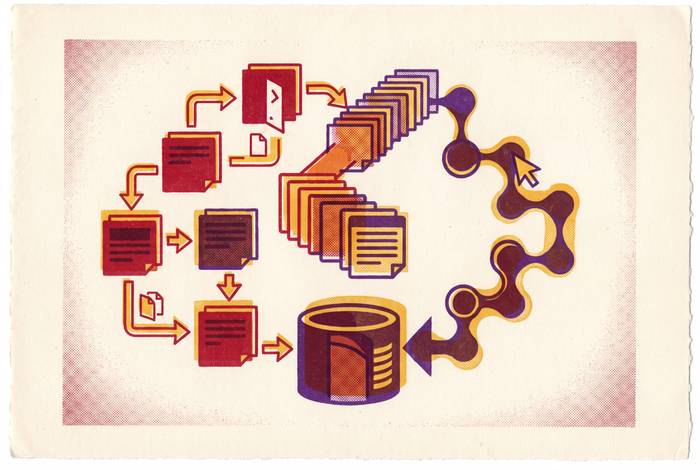
Cursor-based pagination beats offset for large datasets and real-time data.

Master transformation and normalization to unify data across hundreds of disconnected systems.

How to structure API integrations so they scale without multiplying your mapping work.

Your data lives in different systems, speaking different dialects.
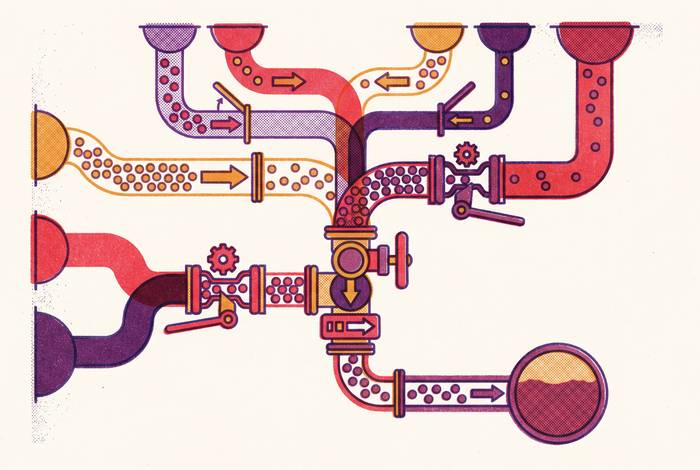
Isolate tenants with architectural layers, not retry logic alone.

Picking the wrong versioning scheme early cascades failures across every integration.
Data isolation built into schema beats isolation built on developer habit.

Native, embedded iPaaS, and unified APIs solve different problems at different company stages.
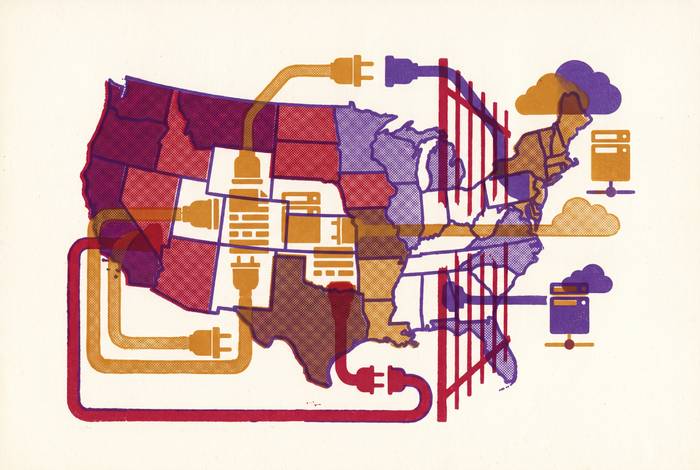
Third-party integrations move data across jurisdictions in ways compliance teams don't see.

Compliance frameworks demand audit logs that application logs cannot provide.
Specify what data flows through each API, or your DPA won't hold up in an audit.
Misclassifying PII in API integrations early leaves unmasked sensitive data in production.
Narrow OAuth scopes before a breach turns one stolen token into a company-wide disaster.

How integration platforms must isolate credentials across tenants to prevent cross-tenant API abuse.
New OAuth 2.0 standard closes token storage gaps that attackers have exploited for years.
Knowing when custom code saves money and when a connector does.
Embedded iPaaS ships fast; custom builds save money over time.

Know when maintenance costs dwarf initial build budgets for integrations.

Maintenance and hidden costs can exceed initial build expenses within just three years.

Overlapping key validity prevents the outages that stop teams from rotating credentials.

Standard SOC 2 checklists fail for integration layers that move data between systems.

Inheriting vendor risk through API integrations costs enterprises millions in breaches and downtime.

Hundreds of thousands of dormant apps hold sensitive permissions that are never reviewed or revoked.

Most companies inherit security risks they can't see the moment they plug in a vendor's API.

Protecting API keys requires knowing which threats each storage method actually prevents.

Practical fixes for the scaling failures that kill OAuth 2.0 in production systems.

Webhooks cut wasted requests but only if your provider supports them and you handle failures.

Silent failures hide behind 200 OK responses in production webhook systems.

Structural decisions made early prevent rewrites when your API abstraction layer catches fire.

Isolating business logic from external systems cuts integration debt and frees engineering capacity.

Quiet changes like type shifts and validation tightening break APIs more often than removals do.

Isolate credentials and noisy neighbors to prevent one tenant's integration from crashing another's.

Learn when to build integrations yourself versus outsourcing to a platform.
OWASP's API Security Top 10 reveals where real attacks actually happen before you ship.

Choose your database isolation model before you scale, or let technical debt choose for you.